
High-Functioning Anxiety: Signs, Symptoms, and How It Affects Daily Life
When You Look Fine but Feel Anything But
In today’s world, there is no shortage of stressors competing for our attention. Between work responsibilities, family dynamics, social expectations, and the constant flow of information, it’s easy for anxiety to become part of everyday life. For some people, that anxiety exists beneath the surface, largely unnoticed by others.
High-functioning anxiety is often difficult to identify because it doesn’t always look like what people expect. It can show up in individuals who are organized, reliable, and outwardly successful. From the outside, things may appear steady or even thriving. Internally, however, the experience can feel very different.
It might be the student who excels academically but spends nights lying awake, running through worst-case scenarios. It might be the parent who manages a full schedule and multiple responsibilities while feeling persistently overwhelmed. It might be the friend who shows up for everyone else, yet quietly replays conversations afterward, questioning whether they said the “right” thing.
High-functioning anxiety shares similarities with generalized anxiety, but it is often paired with a strong ability to maintain performance and meet expectations. This can make it harder to recognize, both for others and for the person experiencing it. The external appearance of “having it together” can mask a constant undercurrent of worry, pressure, and self-criticism.
At its core, high-functioning anxiety involves experiencing ongoing anxiety while continuing to meet the demands of daily life. In some cases, anxiety can act as a motivator. It may push someone to prepare, plan, or stay organized. Over time, though, when that anxiety becomes excessive or chronic, it can take a toll on both mental and physical well-being.
People experiencing high-functioning anxiety often describe a persistent sense of being “on edge.” There may be a fear of making mistakes, falling short, or disappointing others. Even in moments of success, it can be difficult to feel at ease. Instead, the focus may quickly shift to what could go wrong next.
This experience is not only emotional but also physical. Anxiety can show up in the body through symptoms such as a racing heart, muscle tension, headaches, fatigue, or difficulty sleeping. Over time, this ongoing activation can contribute to burnout, especially when there is little space for rest or recovery.
Another common pattern associated with high-functioning anxiety is overcommitment. Calendars may be full, downtime limited, and rest often postponed. Slowing down can feel uncomfortable or even unfamiliar, particularly when productivity has become closely tied to self-worth.
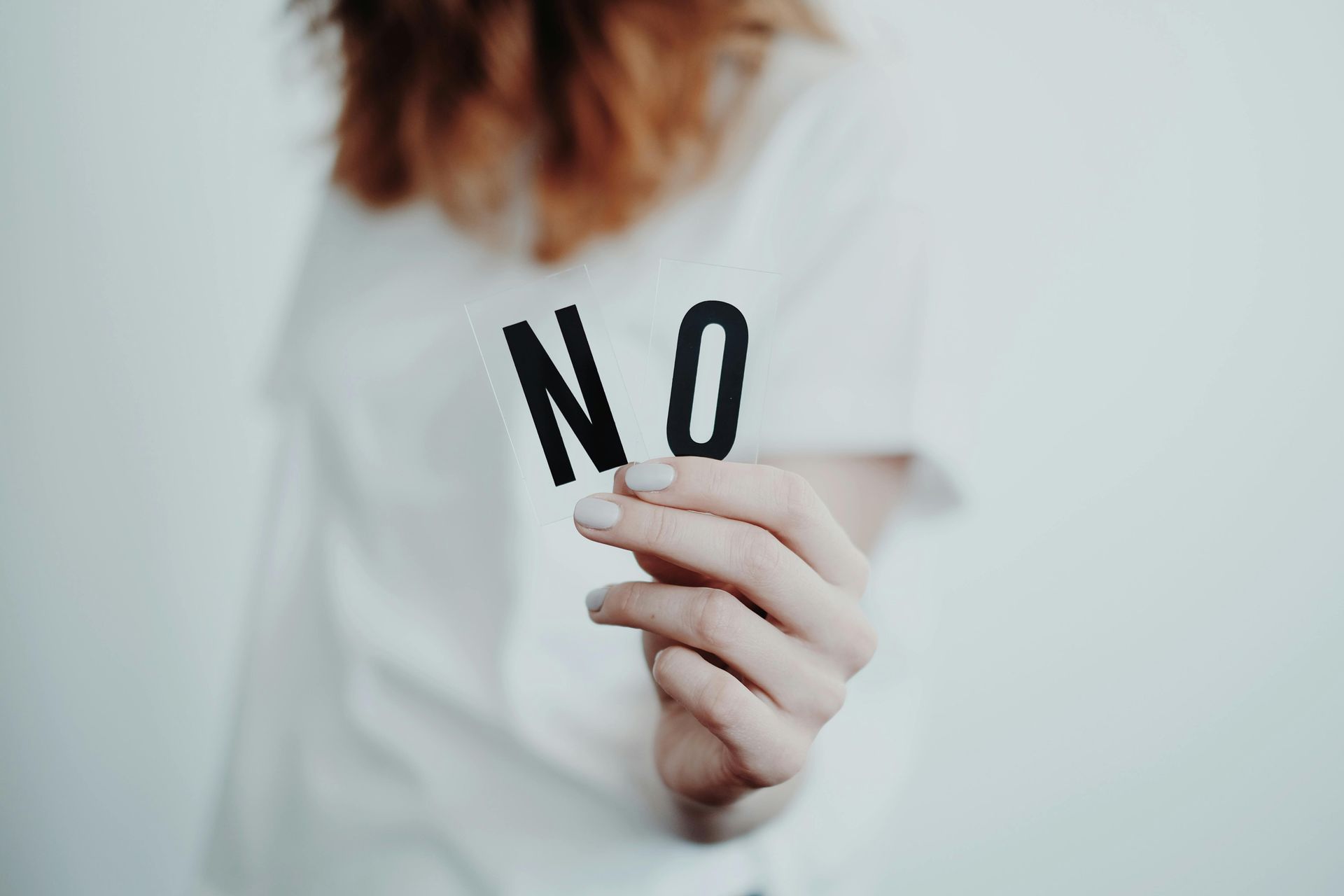
People-pleasing can also play a role. There may be a strong pull to meet expectations, avoid conflict, or ensure others are comfortable, even at the expense of personal needs. Saying “no” can feel difficult, and decisions may be driven more by obligation than by genuine capacity or desire.
These patterns can create a cycle that reinforces anxiety: high expectations lead to overexertion, which leads to exhaustion, which then increases the pressure to keep up. Because things may still appear “fine” externally, the internal experience often goes unspoken.
Creating small shifts can begin to interrupt this cycle. This doesn’t require a complete overhaul of daily life. In many cases, it starts with noticing patterns and allowing for brief moments of pause. For some, this might mean intentionally building short periods of rest into the day, even just a few minutes to step away, breathe, or reset. For others, it may involve becoming more aware of automatic “yes” responses and experimenting with pausing before committing to something.
Asking simple questions like “Do I have the capacity for this?" or “What do I actually need right now?” can help bring attention back to personal limits and needs. These moments of reflection can feel uncomfortable at first, particularly when they go against long-standing habits, but they can also create space for more sustainable ways of functioning.
High-functioning anxiety often exists in the space between how things look and how they feel. Recognizing that gap can be an important step toward understanding the experience more clearly.
SHARE THIS POST:
OUR RECENT POSTS:





Reclaim Your Peace of Mind
Book your free consultation now and discover the support you deserve.